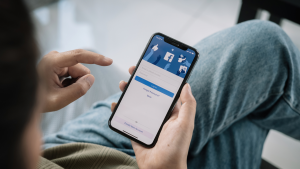
Wearable technology has transformed the way individuals monitor and manage their health. Devices like fitness trackers and smartwatches provide real-time data on various health metrics, from heart rate to sleep patterns. This technology empowers users to make informed decisions about their lifestyle and well-being.
With the rise of wearable tech, managing personal health has never been more accessible. These devices offer insights that can lead to early detection of potential health issues and help users stay motivated to achieve their fitness goals. The convenience of having health information at one’s fingertips can significantly enhance an individual’s approach to wellness.
As this technology continues to evolve, it increasingly integrates with other health services, creating a comprehensive picture of one’s health status. Individuals can track their progress, share data with healthcare providers, and receive tailored advice. The ongoing advancements promise to make wearable tech an indispensable tool in personal health management.
That same convergence is visible in hearing care, where modern devices function as health wearables rather than simple amplifiers. Advanced models offer digital signal processing, directional microphones, wireless connectivity and app-based controls that let users fine-tune settings and share usage data with clinicians.
For people with tinnitus or varying degrees of hearing loss, devices like Beltone Alliance hearing aids can demonstrate how integrated features, remote adjustments, smartphone pairing, and tinnitus management, can support daily communication and clinical follow-up. Framing hearing aids within the wearable-health ecosystem helps readers appreciate their role in comprehensive, data-informed care.
Beyond device features, small changes in how family members and caregivers interact can make conversations much more effective. Simple practices—facing the person, reducing background noise, and using good lighting—complement hearing technology by making speech easier to understand. For practical, age-sensitive strategies that help preserve connection and reduce isolation, take a look into communication tips for hearing loss. These approaches are especially useful for seniors who may rely on both assistive devices and environmental cues to follow conversations, ensuring technology improvements translate into everyday communication.
What Wearable Tech Means for Your Health
Wearable technology provides valuable insights into personal health and fitness through continuous monitoring. By leveraging various devices, users can gather performance data, track health metrics, and even receive alerts related to their well-being.
Defining Wearable Technology
Wearable technology refers to electronic devices integrated into clothing or accessories that provide real-time data on health and fitness. Commonly used by consumers, these devices often resemble traditional items like watches or fitness bands.
Examples include smartwatches and fitness trackers equipped with biosensors to monitor heart rate, steps taken, and sleep quality. The ability to collect data continuously allows users to make informed decisions about their lifestyle and health management.
Types of Wearable Devices
Several types of wearable devices are popular in the health and fitness market. The most prevalent include:
- Smartwatches: These multifunctional devices offer notifications, apps, and health monitoring. The Apple Watch, for example, includes ECG and blood oxygen monitoring.
- Fitness Trackers: Focused primarily on physical activity, these devices track steps, calories burned, and exercise sessions. Brands like Fitbit are well-known in this category.
- Health Wearables: Devices like glucose monitors and smart clothing focus on specific health conditions, offering targeted data for users with chronic illnesses.
Key Features and Capabilities
Wearable technology has advanced features that enhance its role in health management. Key capabilities include:
- Biosensors: These sensors measure biological data, such as heart rate variability and stress levels, aiding users in understanding their health.
- GPS Tracking: Useful for outdoor activities, GPS allows users to monitor distance traveled during exercises like running or cycling.
- Sleep Monitoring: Many wearables provide insights into sleep patterns, helping users improve sleep quality through awareness of their habits.
- Mobile App Integration: Most devices sync with mobile applications, enabling users to analyze their data and set health goals.
Wearable technology continues to reshape personal health management, making it easier for individuals to track and improve their wellness effectively.
How Wearable Technology Impacts Health Monitoring
Wearable technology significantly enhances health monitoring by providing continuous data collection, offering real-time insights, and enabling effective management of chronic conditions. Through these capabilities, users can make informed health decisions and improve their overall wellness.
Continuous Health Data Collection
Wearable devices facilitate continuous health data collection, which is essential for comprehensive patient monitoring. Technologies such as photoplethysmography (PPG) allow users to track heart rate, heart rate variability, and blood oxygen levels throughout the day. Apart from that, continuous health data collection can also be advanced through Neural Cloud Solutions & Wearable Devices (or other such offerings), which can integrate real-time monitoring with intelligent data processing to provide deeper insights into patient health.
Many wearables also capture sleep patterns, providing insights into both sleep quality and duration. By collecting this data over time, individuals can identify trends and make necessary lifestyle changes. The ability to monitor glucose levels and stress levels adds another layer of valuable information that supports proactive health management.
Real-Time Insights for Users
Real-time insights provided by wearable technology empower users to take immediate action regarding their health. For example, alerts for irregular heartbeat, including potential signs of atrial fibrillation, can prompt timely medical evaluation.
Users have access to data through mobile applications, which display metrics like heart rate and sleep quality. This instant feedback aids in better understanding individual health conditions. Users can adjust their activities, seek medical consultations, or modify their habits based on these insights, which enhances their overall health management strategies.
Monitoring Chronic Conditions
Wearable devices play a crucial role in monitoring chronic conditions, making it easier for patients to manage their health. Devices can function similarly to Holter monitors, providing detailed trends over extended periods that are vital for chronic illness management.
For individuals with diabetes, wearables that track glucose levels can send alerts if levels fall outside the normal range. Continued monitoring of these health metrics enables healthcare providers to tailor treatments effectively. By facilitating data sharing with healthcare professionals, wearables support enhanced patient care and timely intervention when necessary.
Advancements in Wearable Health Tech
Recent advancements in wearable health technology leverage artificial intelligence (AI), machine learning (ML), and personalized medicine to improve patient care and clinical decisions. These innovations have transformed how health data is collected, analyzed, and applied in various healthcare contexts.
Incorporating Artificial Intelligence and Machine Learning
Wearable devices now integrate AI and ML algorithms to enhance their functionality. These technologies analyze vast amounts of health data in real-time. For instance, they can track heart rate, activity levels, and sleep patterns more accurately.
AI-driven analytics help identify health trends and predict potential issues. This proactive approach allows individuals to take informed steps towards better health and wellness. The continual learning aspect of these systems means they improve their accuracy over time, adapting to user habits seamlessly.
Personalized Medicine and Treatment
Wearable health tech is crucial for advancing personalized medicine. Devices tailor health insights based on individual data, leading to customized treatment plans. This tailored approach considers unique factors like genetics, lifestyle, and existing health conditions.
For example, a wearable device might recommend exercise routines or dietary changes specifically suited to the user’s body chemistry. By utilizing cloud computing, patient data can be accessed and analyzed on a broader scale, contributing to ongoing research aimed at improving personalized treatment options.
Clinical Applications in Healthcare
The integration of wearable technology in clinical settings is gaining momentum. Health professionals use these devices to monitor patients remotely, increasing efficiency and enhancing patient care. This capability is especially valuable for chronic disease management, where continuous monitoring is critical.
Wearables can alert healthcare providers to any abnormal data, facilitating timely interventions. This innovation not only improves patient outcomes but also supports data-driven clinical decisions. The use of wearables in research settings further enriches the understanding of health patterns and treatment effectiveness.
Wearable Tech and Everyday Health Behaviors
Wearable technology plays a significant role in shaping everyday health behaviors. By providing real-time data and feedback, these devices influence physical activity levels, promote lifestyle changes, and mirror current health trends.
Tracking Physical Activity and Daily Steps
Wearable devices such as fitness trackers are designed to monitor physical activity and daily steps. They provide users with metrics like step count, distance traveled, and calories burned.
Many devices encourage users to set daily step goals, often recommending a target of 10,000 steps. This goal can motivate individuals to incorporate more movement into their daily routines, whether through walking, jogging, or engaging in activities like yoga.
Research shows that regular monitoring can increase accountability, pushing individuals to achieve their daily activity targets.
Encouraging Lifestyle Changes
Wearables can promote significant lifestyle changes by offering personalized insights. For instance, many devices analyze user data, allowing for tailored recommendations for improved health.
This can include reminders to stand, stretch, or take short walks during prolonged sitting. Additionally, some wearables provide suggestions for integrating exercise into daily life, making it easier for users to adopt healthier habits.
Users can track their nutrition and hydration, helping them make informed food choices throughout the day.
The Role of Wearables in Health Trends
Wearable technology has influenced various health trends, notably the rise of fitness goals and health self-monitoring. Many people are now more health-conscious, leveraging consumer devices to connect with their fitness aspirations.
By sharing data through compatible apps, users can join fitness communities, fostering social support, which can lead to better adherence to health goals.
Current trends also emphasize mental well-being, with some devices featuring stress management and sleep-tracking capabilities. This multifaceted approach helps users attain a more comprehensive view of their health.