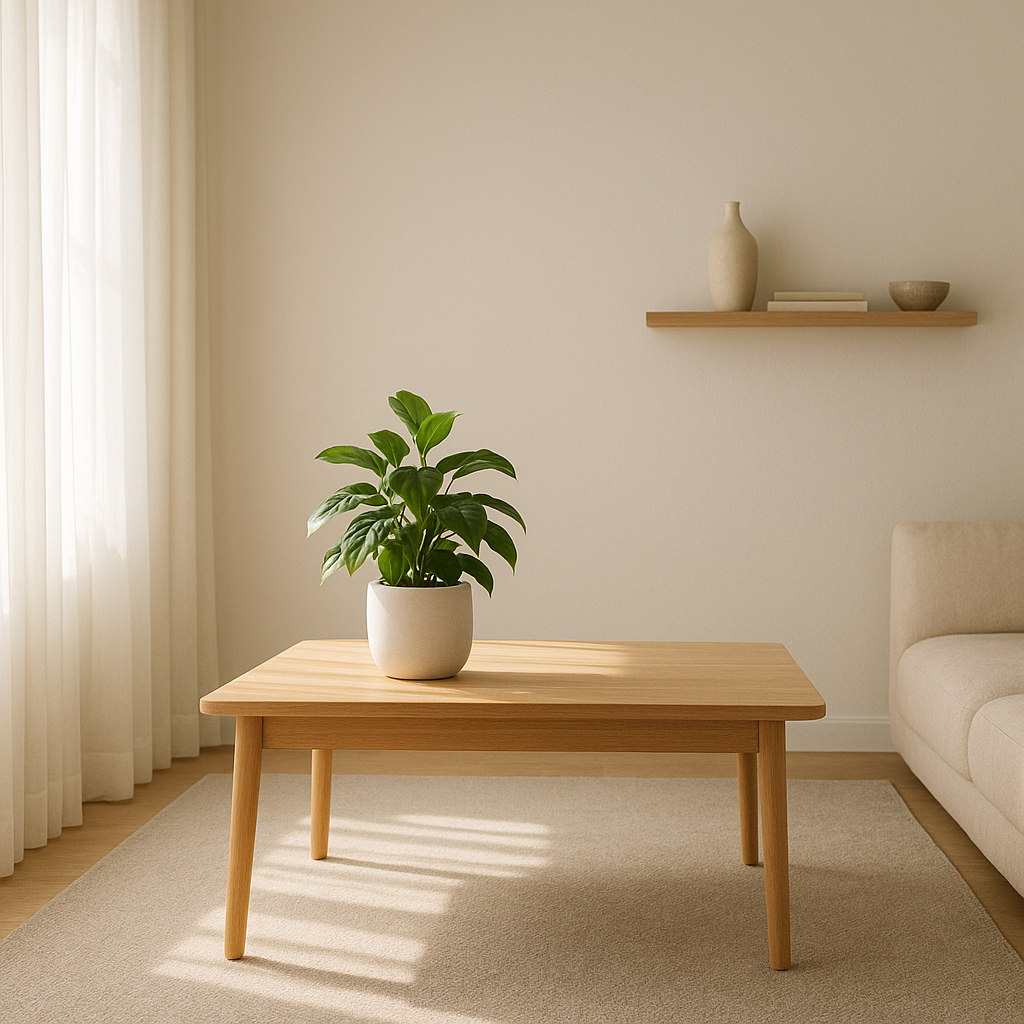
There’s a moment many people recognise — standing in a cluttered room, feeling inexplicably overwhelmed, wondering how life got so full of stuff yet somehow still feels empty. If that resonates, you’re far from alone. Minimalism has quietly grown from a niche aesthetic into a genuine lifestyle movement, and for good reason: it works. Not just as a one-weekend decluttering project, but as a lasting shift in how you relate to your possessions, your time, and your choices.
But here’s the thing most guides won’t tell you — minimalism doesn’t stick unless it’s built around your actual life, not a Pinterest board. This article explores what embracing minimalism really looks like in practice, why it matters, and how to make changes that last well beyond the initial enthusiasm.
What Minimalism Actually Means (And What It Doesn’t)
Minimalism is frequently misunderstood. It’s not about living with 33 items of clothing or sleeping on a bare mattress. It’s not a competition to own the least, and it certainly isn’t reserved for people with large, naturally bright homes and a flair for Scandi interiors.
At its core, minimalism is the intentional practice of keeping only what adds genuine value to your life and letting go of everything else. That definition is deliberately personal — what adds value to your life will look completely different from what adds value to someone else’s.
Joshua Fields Millburn and Ryan Nicodemus, known as The Minimalists, define it simply: “Minimalism is a tool to rid yourself of life’s excess in favour of focusing on what’s important — so you can find happiness, fulfilment, and freedom.” That’s a far cry from empty white rooms.
The Difference Between Decluttering and Minimalism
Decluttering is an event. Minimalism is a practice. You can spend a Saturday clearing out your wardrobe and feel brilliant — only to find it overflowing again six months later. That’s because decluttering without a shift in mindset is just tidying up the symptom rather than addressing the cause.
Minimalism asks the deeper question: why did all that stuff accumulate in the first place? Answering honestly — boredom shopping, emotional purchases, fear of waste, social pressure — is where real, lasting change begins.
Why People Are Drawn to a Simpler Life
The appeal of minimalism has accelerated in recent years, and the data reflects it. According to a 2023 survey by YouGov, over 60% of UK adults reported feeling that they owned too many things they didn’t use or need. Meanwhile, research published in the journal Personality and Social Psychology Bulletin found a consistent link between cluttered environments and elevated cortisol levels — particularly in women — suggesting that physical clutter genuinely contributes to stress.
Beyond stress reduction, people pursue minimalism for a range of interconnected reasons:
- Financial freedom: Buying less means spending less. Many people find that adopting minimalist habits helps them pay off debt, save more, or simply stop the cycle of working harder to afford things they barely use.
- Environmental responsibility: Consuming mindfully reduces waste and lessens one’s ecological footprint — something increasingly important to younger generations in particular.
- Mental clarity: A simplified environment often translates to a quieter mind. When visual clutter is reduced, many people report improved focus and a greater sense of calm.
- More time: Fewer possessions mean less time spent cleaning, maintaining, organising, and searching for things. That time has to go somewhere — usually somewhere more meaningful.
How to Start Embracing Minimalism Without Burning Out
One of the biggest mistakes people make is going all-in immediately — booking a skip, emptying every cupboard over a single weekend, and then feeling exhausted and resentful. Sustainable minimalism is built gradually, and it starts with curiosity rather than aggression.
Begin With One Space
Choose a single area that bothers you most — a junk drawer, a wardrobe, a bathroom cabinet. Give it your full attention. Go through each item and ask: do I use this regularly? Does it bring me genuine joy or serve a real purpose? If not, it goes. But don’t move on until that one space feels right. That feeling — the lightness of an intentional space — is what motivates you to continue.

Use the One-In, One-Out Rule
This simple habit prevents the re-accumulation of clutter once you’ve cleared it. Every time something new comes into your home, something old leaves. It’s not about deprivation — it’s about maintaining balance and making conscious decisions about what earns a place in your life.
Question Every Future Purchase
Minimalism changes the way you shop. Before buying something, it’s worth pausing and asking:
- Do I genuinely need this, or do I just want it in this moment?
- Do I have something that already does this job?
- Where will this live in my home?
- Will I still value this in six months?
This isn’t about denying yourself things — it’s about choosing things deliberately, which makes the things you do buy feel far more satisfying.
Minimalism and Your Mental Health
The relationship between our environments and our mental wellbeing is well-documented. A study from Princeton University Neuroscience Institute found that physical clutter competes for attention, decreasing performance and increasing stress. Conversely, a tidy, organised space has been associated with improved mood, better sleep, and a greater sense of control.
It’s worth noting that minimalism isn’t a cure for anxiety or depression — and anyone experiencing serious mental health challenges should seek appropriate support. However, as a complementary lifestyle shift, many people find that simplifying their environment creates a calmer baseline from which everything else becomes slightly easier to manage. Exploring ways to improve your emotional wellbeing alongside physical decluttering can make that shift even more effective.
The Psychological Weight of Too Much Choice
Psychologist Barry Schwartz introduced the concept of the “paradox of choice” — the idea that having too many options doesn’t make us happier, it actually increases anxiety and dissatisfaction. We spend more time second-guessing decisions, worrying about what we’re missing out on, and feeling vaguely unsatisfied with what we chose.
Minimalism, in its quiet way, reduces that noise. Fewer clothes means fewer decisions each morning. A streamlined kitchen means cooking feels easier. A curated bookshelf means you’re more likely to actually read what’s there. These small reductions in daily decision fatigue accumulate into something genuinely meaningful over time.
Minimalism as a Family: Making It Work for Everyone
One of the most common concerns is how to embrace minimalism when you live with other people — particularly children — who may not share your enthusiasm for empty surfaces. This is where rigidity becomes the enemy of progress.
Minimalism in a family context isn’t about imposing your vision on everyone else. It’s about finding a shared version that respects everyone’s needs while still moving towards intentionality. Some practical approaches include:
- Focus on communal spaces first: Start with areas that affect everyone — hallways, living rooms, kitchen countertops — before tackling anyone else’s personal space.
- Let children be involved: When children help choose which toys stay and which go to a new home, they develop their own relationship with intentional ownership rather than feeling like things are being taken from them.
- Lead by example: The most effective approach is simply demonstrating the benefits through your own behaviour. When others see you less stressed, more organised, and genuinely happier, curiosity tends to follow.
- Set shared boundaries rather than rules: Agreeing on things like “no new items in the lounge without a conversation” feels collaborative rather than dictatorial.
What Minimalism Isn’t: Addressing Common Misconceptions
Because minimalism has become somewhat fashionable, it’s accumulated a fair amount of baggage. It’s worth addressing a few myths head-on.

Minimalism isn’t only for the wealthy. There’s a valid critique that the minimalism aesthetic — all pale wood and carefully curated objects — is expensive to achieve. But minimalism as a practice is, if anything, a response to consumerism that’s especially accessible to those with less financial flexibility. Buying less, using what you have, and resisting marketing pressure are not luxuries.
You don’t have to be ruthless. Some decluttering frameworks encourage aggressive letting-go — if it doesn’t “spark joy,” out it goes. But sentimental objects, practical items, and things you use occasionally all have legitimate places in a minimalist home. The goal is intentionality, not emptiness.
Minimalism isn’t a fixed endpoint. You don’t achieve minimalism and then you’re done. It’s an ongoing practice of evaluation and adjustment, one that evolves as your life does. What serves you at 28 may not serve you at 45 — and that’s entirely expected.
Building Habits That Actually Stick
The reason most lifestyle changes fail isn’t lack of motivation — it’s that they require constant willpower rather than becoming habitual. The goal with minimalism is to shift your defaults so that intentional choices become automatic over time.
A few habits that tend to embed themselves naturally:
- A ten-minute tidy each evening: Not a deep clean, just a reset. Surfaces cleared, items returned to where they belong. This prevents small messes from becoming overwhelming accumulations.
- A seasonal review: Four times a year, revisit each area of your home. What hasn’t been used? What no longer fits your life? Regular small reviews replace the need for overwhelming overhauls.
- Delaying purchases by 48 hours: Most impulse purchases feel unnecessary two days later. A simple pause interrupts the cycle without requiring enormous willpower.
- Unsubscribing from marketing emails: Temptation you never see is temptation you never have to resist. Removing yourself from retail mailing lists is one of the simplest and most effective minimalist habits available.
The Bigger Picture: Minimalism as a Values-Led Life
Ultimately, the reason minimalism resonates so deeply with so many people is that it’s not really about objects at all. It’s about alignment — living in a way that reflects what you actually care about, rather than what you’ve accumulated by default.
When you remove the excess, you create space — physical space, yes, but also mental space, time, and energy — for the things that genuinely matter. Relationships, experiences, creativity, rest, purpose. These are the things that consistently show up in research on happiness and life satisfaction, and they’re the things that clutter — both physical and psychological — tends to crowd out.
In Summary
Embracing minimalism isn’t about achieving a particular aesthetic or hitting a target number of possessions. It’s about making a deliberate, ongoing choice to prioritise what adds genuine value to your life and release what doesn’t. It begins with one space, one question, one habit — and builds into something that quietly transforms the texture of everyday life.
The most important thing is that your version of minimalism fits your life. Not a lifestyle influencer’s curated feed, not a rigid set of rules, but a practical, personal practice that makes your days feel lighter, clearer, and more your own. Start small, stay curious, and let the simplicity build itself naturally from there.