Homeowners increasingly seek ways to reduce their environmental impact while enhancing their living spaces. Embracing sustainable living not only contributes to a healthier planet but can also lead to substantial savings on utility bills. This blog post provides practical tips that homeowners can implement, making sustainable living accessible and manageable.
Small changes can lead to significant improvements in energy efficiency and resource conservation. By choosing energy-efficient appliances, utilizing renewable energy sources, and incorporating eco-friendly materials, homeowners can create a more sustainable home environment. Simple actions, like reducing water usage and promoting recycling, can have a lasting effect on both the home and the community.
As environmental concerns grow, understanding how to live sustainably becomes essential for all homeowners. These tips will guide them toward making informed decisions that benefit both their homes and the world at large. Adopting these practices can foster a sense of responsibility and contribute to a more sustainable future.
Energy Efficiency for a Sustainable Home
Implementing energy-efficient practices significantly reduces a homeowner’s carbon footprint. By focusing on effective appliances, insulation, and lighting solutions, they can create a more sustainable living environment.
Upgrading to ENERGY STAR Appliances
Switching to ENERGY STAR appliances is one of the most effective ways to improve energy efficiency at home. These appliances meet strict energy efficiency guidelines set by the EPA, which results in lower energy consumption and utility bills.
For instance, ENERGY STAR refrigerators use about 15% less energy than non-qualified models. Additionally, using ENERGY STAR -rated washing machines can save homeowners around 3,000 gallons of water annually.
Investing in these appliances not only conserves energy but also offers rebates from utility companies, making them a financially sound choice. They contribute to a cleaner energy future by minimizing the demand placed on the grid.
Maximizing Home Insulation
Proper insulation plays a critical role in maintaining energy efficiency. When a home is well-insulated, it retains heat in winter and stays cool in summer, which reduces reliance on heating and cooling systems.
Homeowners should assess areas such as attics, walls, and basements for insulation upgrades. Using materials with high R-values improves thermal resistance, further lowering energy bills. Employing energy-efficient windows and doors is also essential for sealing gaps.
Sealing cracks and gaps with caulk or weatherstripping can prevent air leaks, enhancing overall insulation effectiveness. Comprehensive insulation ensures consistent indoor temperatures, leading to significant energy savings.
Take care to look into your roof as well. You can add new insulation, but your roof will need to be up to date so that it can seal in that heat. Looking into a flat roof replacement should be on your list if your roof is quite old and could do with an upgrade instead of a repair.
Beyond just insulation and a replacement when necessary, the overall health of your roof is paramount for protecting your home’s structure and maintaining energy efficiency. Regular roof maintenance can prevent minor issues from escalating into costly repairs, such as leaks or extensive water damage. Proactive inspections help identify worn shingles, compromised flashing, or other vulnerabilities before they impact your home’s interior. Ensuring your roof is in top condition contributes significantly to its longevity and your home’s ability to withstand various weather conditions, ultimately saving homeowners money and stress in the long run.
Should these proactive inspections reveal vulnerabilities or if leaks unfortunately develop, particularly on flat roof systems, understanding effective flat roof drainage and repair methods becomes paramount. Standing water, often a symptom of poor drainage, can exacerbate existing damage and lead to significant structural problems if not addressed swiftly. Fixing such leaks involves a precise process: first, meticulously identifying the leak’s origin, then thoroughly cleaning and preparing the affected area. Finally, appropriate repair materials, from specialized roofing caulk for minor cracks to durable waterproof membrane patches for larger damage, must be applied with careful attention to sealing all edges for a lasting, watertight seal.
Switching to LED Lighting
Transitioning to LED lighting is a straightforward upgrade that offers immediate benefits. LEDs consume up to 80% less energy than traditional incandescent bulbs and have a much longer lifespan, often lasting up to 25,000 hours.
This transition not only decreases energy consumption but also lowers electricity bills. Additionally, LEDs emit less heat, reducing the load on air conditioning systems.
Homeowners can consider smart LED options to further enhance efficiency. Smart bulbs often come with programmable functionalities, optimizing energy use based on household activities. This shift reinforces a commitment to sustainable living while simultaneously enhancing home comfort.
Reducing Waste and Recycling Practices
Homeowners can significantly impact waste management by implementing effective recycling strategies, decluttering responsibly, and composting organic materials. These practices not only reduce landfill contributions but also promote sustainability and minimize environmental footprints.
Smart Recycling Solutions
Utilizing proper recycling techniques can enhance recycling effectiveness. Residents should familiarize themselves with their local recycling regulations and guidelines set by the EPA. This knowledge aids in sorting materials accurately, ensuring recyclable items like paper, cans, and plastics are disposed of correctly.
Homeowners can streamline recycling by using labeled bins for different materials. A checklist can be helpful, listing accepted recyclables and non-recyclables. This reduces contamination and makes collection easier. Many communities offer drop-off centers for items not accepted curbside, such as batteries and electronics, highlighting the importance of utilizing all recycling options available.
Beyond common household recyclables, many larger or specialized items, particularly those made of metal, require specific handling. Old appliances, car parts, and metal scrap often cannot be placed in standard recycling bins. In such cases, specialized services can provide efficient and environmentally compliant solutions. Companies offering Scrap Metals Perth services ensure that various types of metals, from copper to steel, are processed correctly, preventing them from ending up in landfills. This not only supports sustainable practices but also allows for the recovery of valuable resources.
Decluttering Responsibly
Decluttering is essential for creating a sustainable home environment. It not only organizes living spaces but also reduces waste by encouraging the responsible disposal of items. Homeowners should evaluate belongings regularly and identify items for donation, recycling, or trash.
Local charities often accept gently used items, giving them a second life. For broken items, local repair shops may offer services instead of disposal. Homeowners can also host garage sales or utilize online marketplaces for items in good condition. Engaging in responsible decluttering can significantly reduce landfill waste while helping others.
Composting Organic Materials
Composting is an effective method for reducing organic waste. Homeowners can compost kitchen scraps, yard waste, and other biodegradable materials. This process returns nutrients to the soil, benefiting gardens and plants.
Setting up a compost bin or pile is straightforward. Layering green materials (like fruit and vegetable scraps) with brown materials (such as dried leaves or cardboard) facilitates decomposition. Regularly turning the pile accelerates the process and helps manage odors. Many municipalities provide resources or programs to support home composting efforts, making this environmentally friendly practice accessible.
Eco-Friendly Transportation and Lifestyle Choices
Making conscious transportation and lifestyle decisions can significantly enhance sustainable living. Embracing eco-friendly options fosters a healthier environment and promotes sustainability in daily routines.
Biking for Local Travel
Biking offers an effective alternative for short distances. It reduces carbon emissions and alleviates traffic congestion. Many urban areas have dedicated bike lanes, which enhance safety and encourage more people to cycle.
Homeowners can invest in quality bicycles and necessary accessories, such as helmets and lights. Regular maintenance ensures safety and longevity. Communities can support biking through local events and shared bike programs.
Additionally, biking contributes to personal health. It serves as an excellent cardiovascular exercise, boosting physical fitness and mental well-being while providing a sustainable transport option.
Choosing Safer Choice-Certified Products
Selecting Safer Choice-certified products helps in fostering a healthier home environment. These products meet strict safety standards, minimizing harmful chemicals. They cover everything from cleaning supplies to personal care items.
Homeowners should look for the Safer Choice label when purchasing cleaning products. This label indicates formulations that are less toxic and designed to reduce environmental impacts.
Using these products aligns with overall sustainable living goals. They improve indoor air quality while also being protective of aquatic ecosystems through reduced pollution.
Educating family members about these choices can promote eco-conscious habits and encourage responsible consumer behavior.
Supporting Clean Energy Initiatives
Supporting clean energy initiatives plays a crucial role in sustainable living. Homeowners can explore options such as solar panels, wind energy, or local green energy programs.
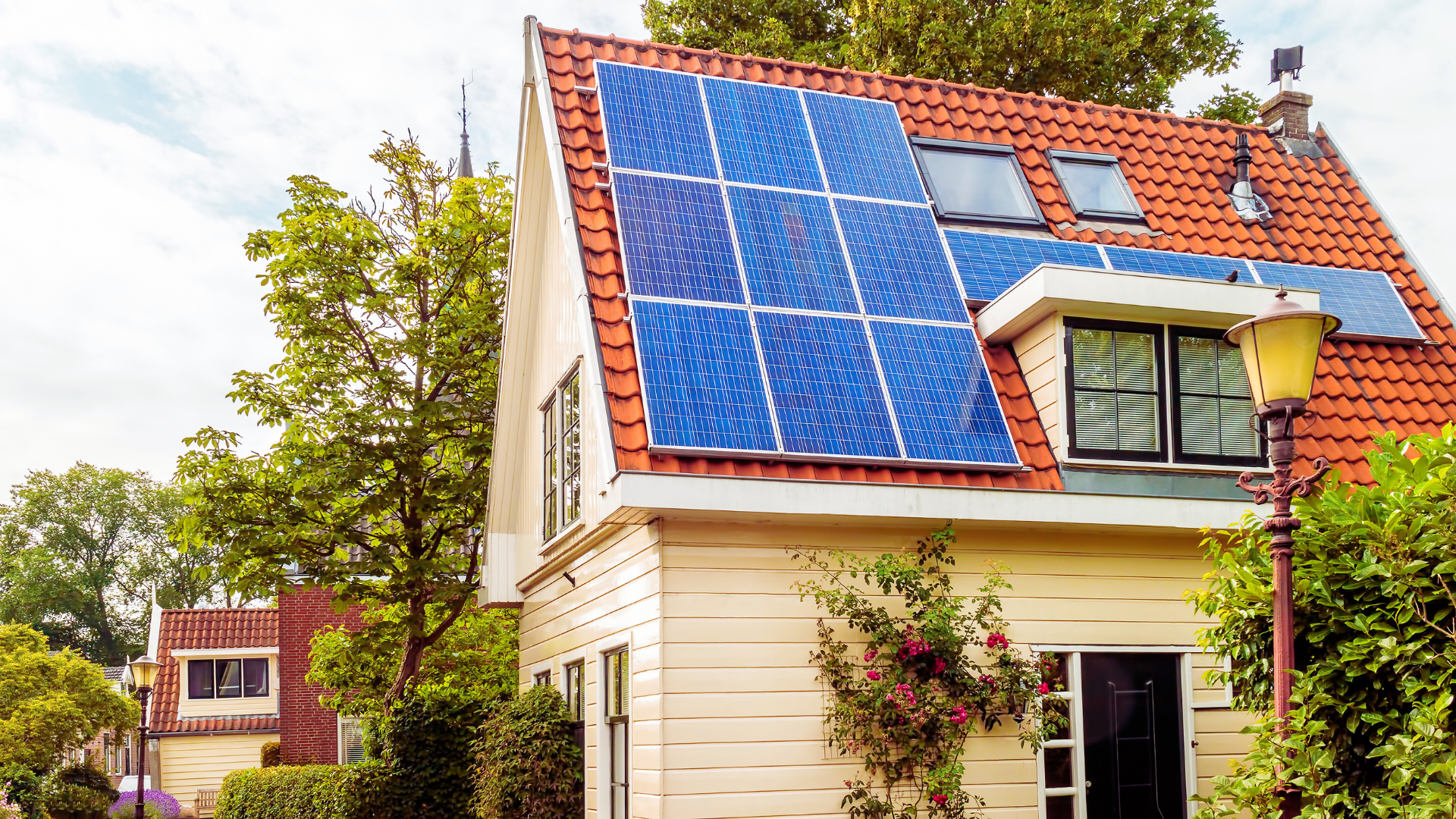
Implementing solar panels can reduce electricity bills and neighborhood reliance on fossil fuels. Many local governments offer incentives for adopting renewable energy sources, making this investment more economical.
Participation in community clean energy programs allows homeowners to support broader efforts in environmental conservation. They can advocate for local policies favoring renewable resources and energy efficiency.
Engagement in clean energy initiatives enhances community resilience while contributing to a more sustainable future for all.