Interviews are an important part of the video production process. They are used to capture interviews, panel discussions, and group discussions. The live, in-studio interview is a great way to get immediate feedback. While casual interviews (in person or on the phone) are cheap and easy, online video interviews can be more difficult.
Here’s What to Know About Filming an Interview on a Camera:
Pick the Best Camera, Batteries Matter Too.
The first and foremost step is to choose a good-quality camera designed specifically for filming. A reliable camera can show better performance, and durability, and make it a worthwhile investment for professional results. Now, let’s talk about batteries; an often overlooked yet important aspect. You might wonder, Are batteries necessary for film cameras to operate? The answer depends on the type of camera you choose. Basic manual film cameras, which operate mechanically, typically do not require batteries. But, modern film cameras with advanced features like built-in light meters, or autofocus, do rely on batteries to function. Ultimately, it comes down to the kind of camera you are investing in and the features you need for your filming requirements.
Proper Camera Technique is the Key.
Proper camera technique is key when filming an interview, particularly on-camera interviews. Not only will it prevent the interviewer from being a distraction, but it will also help to formulate your story. To start, think about the camera angle. Are you trying to tell a more intimate story, or do you want to show a wider view?
Set up the Camera.
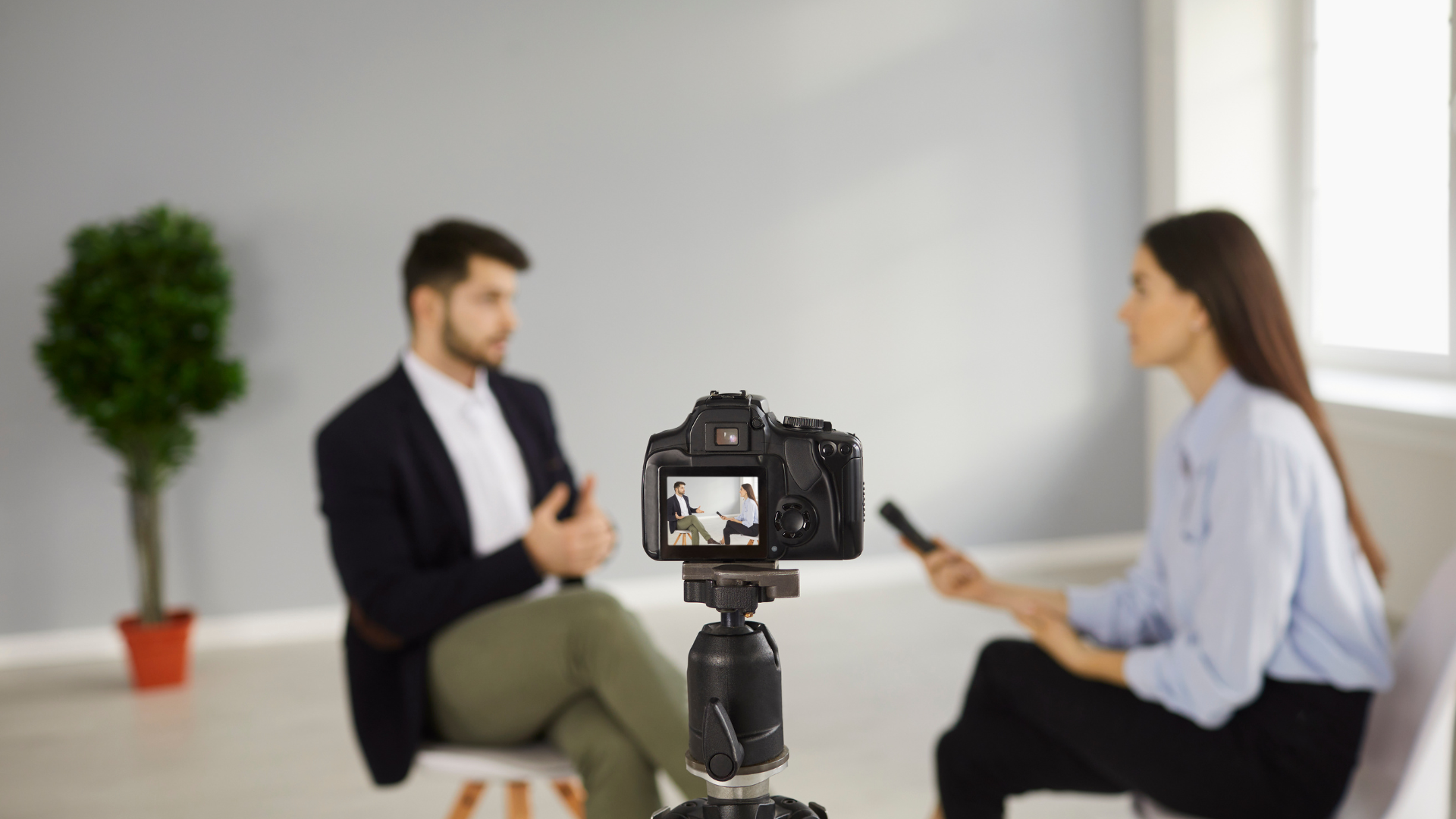
If you’re planning to record a video interview, you can take a few simple steps to ensure you have the best shot. First, you’ll want to set up your camera on a tripod. However, if you will be recording on a rocky outdoor surface, use your camera’s grip. The grip is sturdy and creates better balance when attached to the camera.
Choose the Camera Settings and Effect.
One of the biggest challenges when shooting a professional-quality video is choosing the right settings and finding an effect that compliments your video. Having the right camera settings in place, such as ISO, shutter speed, aperture, and white balance, will ensure your image is of the highest quality. Likewise, the good effect will accentuate your video and match the tone. You may want to capture that footage in full HD. A camera for recording interviews typically includes an HD camera for capturing footage and a flip screen for adjusting focus, recording audio, or sharing with other camera operators. Most cameras for recording interviews have built-in microphones and speakers to record audio. If the camera has a flip screen, operators can use the screen as a viewfinder and adjust the shot’s focus. Most cameras for recording interviews also include a screen that shows footage and lets you make adjustments. The flip screen often displays a preview, letting operators know if the lighting is adequate.
Review the Footage and Record a Final Cut.
The interview you’ve wanted to film is finally happening. You’ve chosen the perfect location, and the camera equipment is ready to go. The next step is planning how to record the interview. If you’re planning to record your interview questions, you’ll need to review the footage before hitting the record. This involves stopping and reviewing (or editing) the individual clips that compose each question.
When Creating a Video, One of The Most Important Aspects Is Its Audio.
For any video to sound its best, it needs to be recorded in a high-quality manner. Depending on the audio source, multiple recording methods can be used.
Preparation Is Key to A Successful Interview.
Filming an interview can be intimidating, especially if you’re used to talking through your phone and posting on social media sites. Yet, interviews are an important part of blogging, especially when you want to create a visual content series. Preparation is key to a successful interview, and it helps to know what type of camera to use so that you don’t end up missing any key moments.
You Need A Basic Knowledge Of How The Process Works.
Interviewing someone for an article or documentary isn’t as easy as it looks. You must know how to conduct the interview and then edit the interview to make it sound natural. If you’re an experienced videographer, you can record the interview and edit the clips yourself. Still, if you don’t know what you’re doing, there’s a risk of missing important clips or, even worse, recording an interview that’s so out-of-sync with the audio that it looks horrifying. If you’re writing an article, or a video, about an interview, you first need basic knowledge of how the process works. When it comes to interviewing, there are many ways to do it, so it’s important to know the approach you will want to take with the rise of technology, more ways than ever to document your interview, from simply taking pictures to using professional equipment.
Understanding the aspects of video production can greatly enhance the quality of your interviewers. Whether you use a single smartphone or high-end camera equipment, knowing the basics of lighting, sound, and composition can make a difference. For instance, making sure that your subject is well-lit and that the background is not distracting can help keep the focus on the interviewee. Clear audio is important and investing in a good microphone can prevent background noise from ruining the footage. However, if you find the process overwhelming, consider seeking a professional in Video Production Miami, or for a nearby location, to guide you through the process and ensure that you get a polished final product.
Learning how to film an interview is easier than you may think. If you’re short on time, skip the basics of setting things up and just focus on how to film an interview and what you need to know to do it right.
Video can be a great tool to communicate a message. If you’re interviewing someone, the video makes capturing their perspective much easier. It’s difficult to edit out distractions when you’re recording audio alone, but it’s no problem to trim off unnecessary footage when you’ve got it. Some things can make the experience easier.